
For in-vitro research use only · Not for human consumption · Not medical advice
The molecule involved in over 500 enzymatic reactions that your body literally cannot function without — and it drops by half between your 20s and 50s.
NAD+ isn't a supplement trend — it's a molecule your body literally cannot function without. It's involved in over 500 enzymatic reactions, and it drops by half between your 20s and 50s. When NAD+ falls, everything falls — energy, DNA repair, brain function, and longevity.
Nicotinamide adenine dinucleotide (NAD+) is a coenzyme found in every living cell. It exists in two forms: NAD+ (oxidized) and NADH (reduced). Together, they shuttle electrons between reactions in your mitochondria to generate ATP — the energy currency your cells run on. Without NAD+, the electron transport chain stops, and so does cellular energy production.
But energy is just the beginning. NAD+ is also the essential substrate for sirtuins (SIRT1-7), a family of enzymes that regulate gene expression, DNA repair, inflammation, and mitochondrial biogenesis. Think of sirtuins as maintenance workers — they keep your cells clean and functional. But they can only work when NAD+ is available to fuel them.
The problem is that NAD+ levels decline dramatically with age, driven largely by an enzyme called CD38 that increases with chronic inflammation. As NAD+ falls, sirtuin activity drops, DNA damage accumulates, mitochondria deteriorate, and the hallmarks of aging accelerate. Researchers have described this as one of the central "metabolic bottlenecks" of aging.
The short version: NAD+ is a molecule every cell needs to make energy, repair DNA, and keep maintenance enzymes (sirtuins) working. It drops by roughly 50% between your 20s and 50s, which researchers believe contributes to age-related decline across nearly every system.
NAD+ is the essential substrate for all seven sirtuins (SIRT1-7) — deacetylase enzymes that regulate gene expression, DNA repair, mitochondrial biogenesis, and inflammatory response.
NAD+ fuels PARP enzymes (poly ADP-ribose polymerases), which detect and repair DNA strand breaks. As NAD+ declines, DNA damage accumulates faster than it can be repaired — a hallmark of aging.
CD38 is an ectoenzyme that consumes NAD+ and increases with age-related inflammation. It is studied as the primary driver of age-related NAD+ decline — consuming up to 95% of cellular NAD+ in aging tissues.
Multiple studies have documented that NAD+ levels decline approximately 50% between young adulthood and middle age across multiple tissues, correlating with reduced mitochondrial function and increased DNA damage.
NAD+ repletion has been studied for its ability to restore sirtuin activity in aged models, with researchers observing improvements in mitochondrial biogenesis, oxidative stress resistance, and inflammatory gene silencing.
Research has examined NAD+ for its role in maintaining the electron transport chain and mitochondrial membrane potential. Declining NAD+ is associated with mitochondrial dysfunction — a central feature of aging.
PARP1 consumes NAD+ to repair DNA damage. Studies have shown that NAD+ depletion impairs PARP activity, leading to genomic instability and accelerated senescence in research models.
Compounds frequently studied alongside NAD+ for complementary cellular health mechanisms.

Direct NAD+ precursor — NMN is a biosynthetic precursor that feeds the salvage pathway, the primary route for NAD+ replenishment in mammalian cells.
Learn More →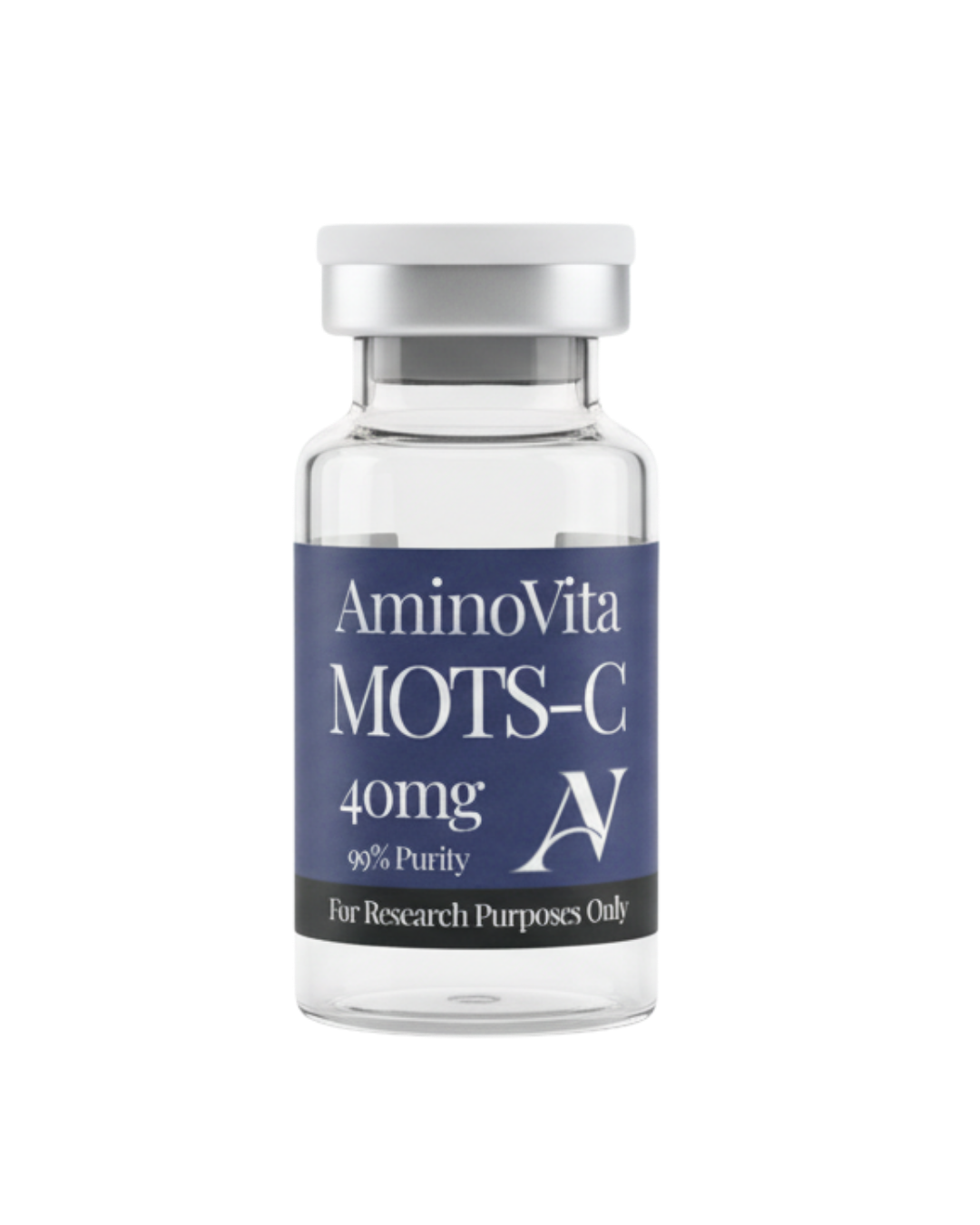
AMPK synergy — MOTS-C activates AMPK, which upregulates NAD+ biosynthesis enzymes, creating a positive feedback loop for cellular energy.
Learn More →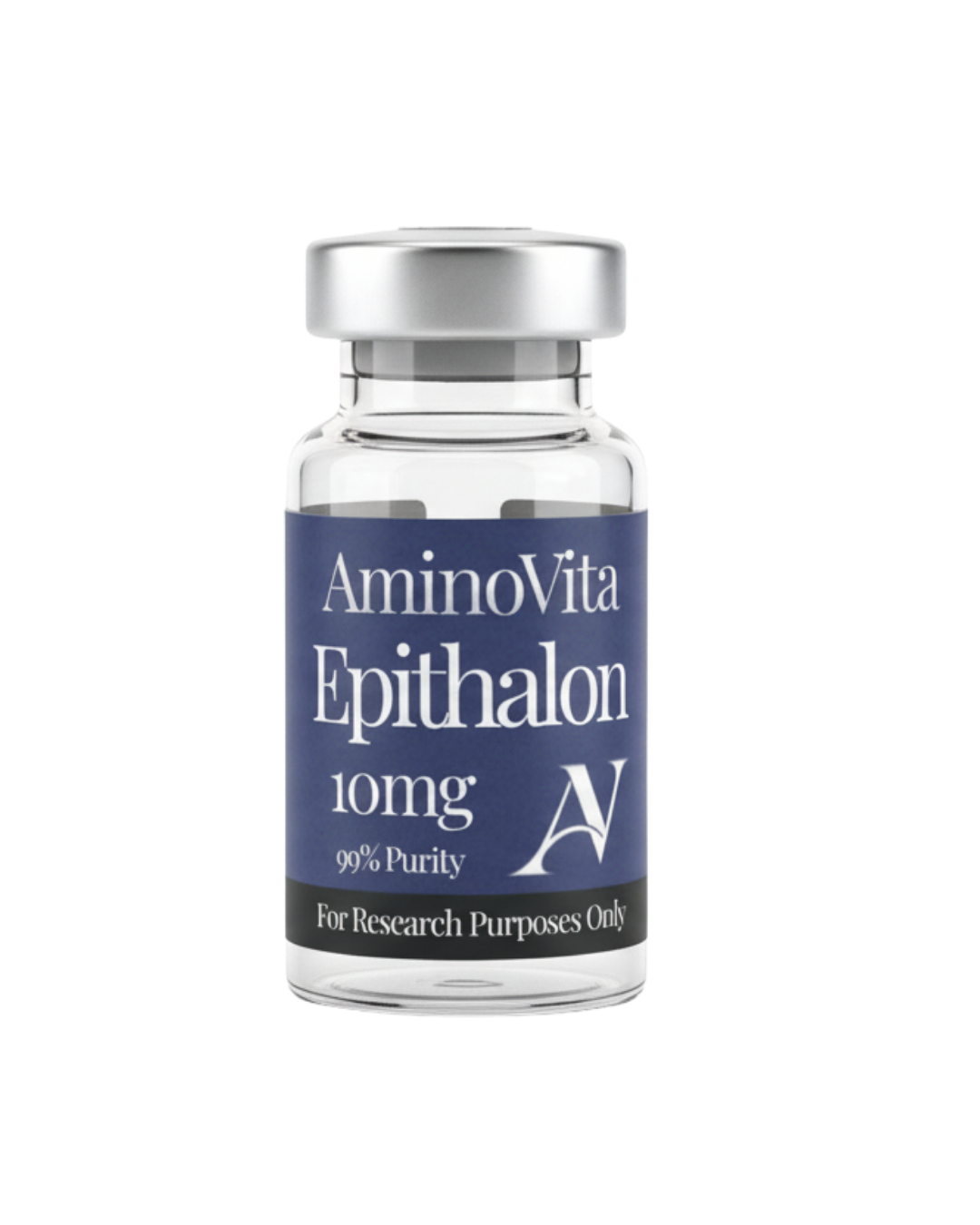
Telomerase synergy — NAD+-dependent sirtuins interact with telomere maintenance pathways, complementing Epithalon's telomerase activation.
Learn More →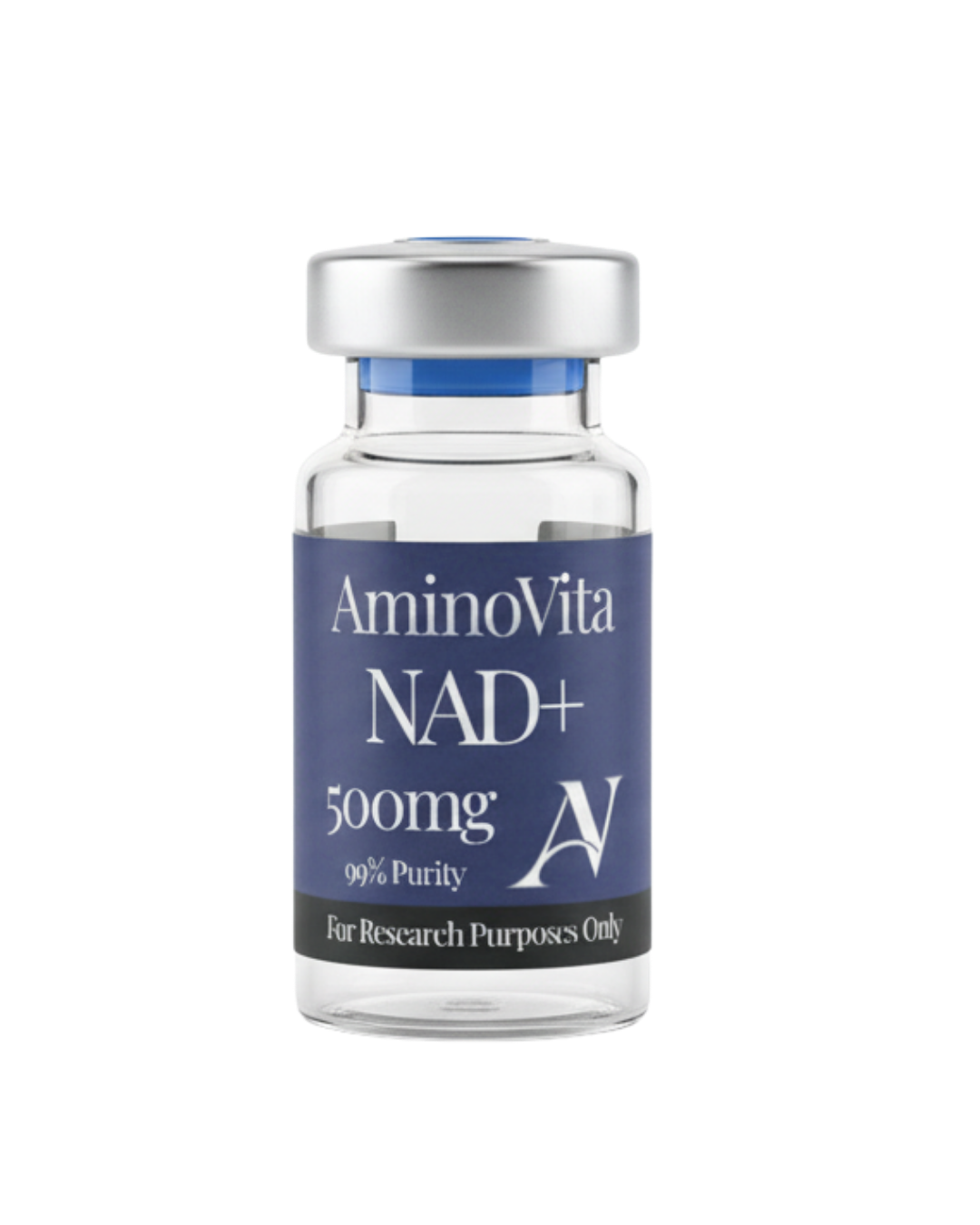
From electron transport to sirtuin fuel — a comprehensive look at why NAD+ sits at the center of cellular health.
Why your cellular energy levels plummet with age and what researchers are discovering about the CD38-driven decline.
Not sure where to start? Explore our compound library or take the quiz to discover which research compounds align with your goals.