
For in-vitro research use only · Not for human consumption · Not medical advice
A synthetic tetrapeptide studied for its ability to activate telomerase — the enzyme that maintains the protective caps on your chromosomes.
Every time your cells divide, the protective caps on your chromosomes (telomeres) get shorter — like a fuse burning down. Epithalon is studied for its ability to activate telomerase, the enzyme that rebuilds those caps, potentially extending the replicative lifespan of cells.
Think of your chromosomes as shoelaces and telomeres as the plastic tips (aglets) that keep them from fraying. Each time a cell divides, those tips get a little shorter. When they get too short, the cell enters senescence — it stops dividing and starts sending inflammatory signals. This process is one of the hallmarks of biological aging.
Epithalon (also known as epitalon or epithalamin) is a synthetic version of a naturally occurring peptide called epithalamin, originally isolated from the pineal gland. It was developed by Russian gerontologist Vladimir Khavinson. Researchers study it for its ability to activate hTERT — the catalytic subunit of telomerase — which is the enzyme responsible for adding telomeric repeats back to chromosome ends.
Beyond telomere biology, Epithalon has also been investigated for its effects on the pineal gland and melatonin production, which decline substantially with age. This dual focus on telomere maintenance and circadian biology has made it one of the most-studied peptides in longevity research.
The short version: Your chromosomes have protective caps (telomeres) that shorten with each cell division. Epithalon is studied for activating telomerase, the enzyme that rebuilds those caps. It also interacts with the pineal gland and melatonin pathways.
Studied for activating the catalytic subunit of telomerase (hTERT), enabling the enzyme to add hexameric TTAGGG repeats back to chromosome ends, counteracting replicative shortening.
Investigated for its effects on pineal gland function and melatonin biosynthesis — both of which decline with age and are linked to circadian rhythm disruption and reduced antioxidant capacity.
Studied for its interaction with the p53/p21 senescence cascade — the signaling pathway cells activate when telomeres reach a critically short length, triggering cell cycle arrest.
In cell culture models, Epithalon has been studied for its ability to reactivate telomerase in somatic cells where it is normally silenced, resulting in measurable telomere elongation.
Research in aged animal models has examined Epithalon for its ability to restore melatonin production to levels comparable to younger animals, suggesting pineal gland rejuvenation activity.
Multiple animal studies by the Khavinson laboratory have examined Epithalon for effects on mean and maximum lifespan, with published data showing increases in several model organisms.
Epithalon has been investigated for its effects on chromatin condensation in aging cells, with researchers noting changes in heterochromatin patterns that more closely resemble younger cell populations.
Compounds frequently studied alongside Epithalon for complementary longevity mechanisms.
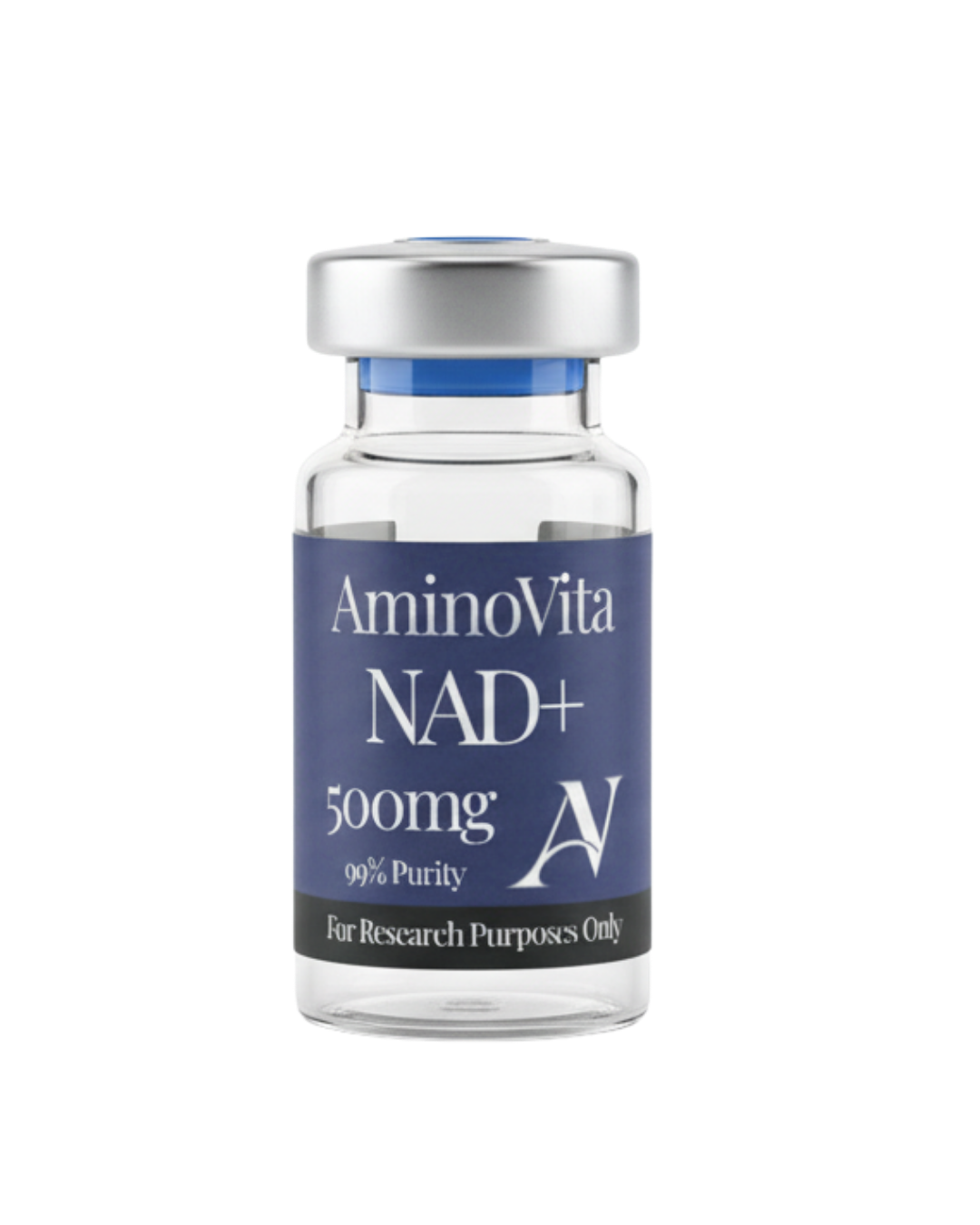
Sirtuin biology — NAD+ fuels SIRT1-dependent deacetylation, which converges with telomere maintenance through shared chromatin remodeling pathways.
Learn More →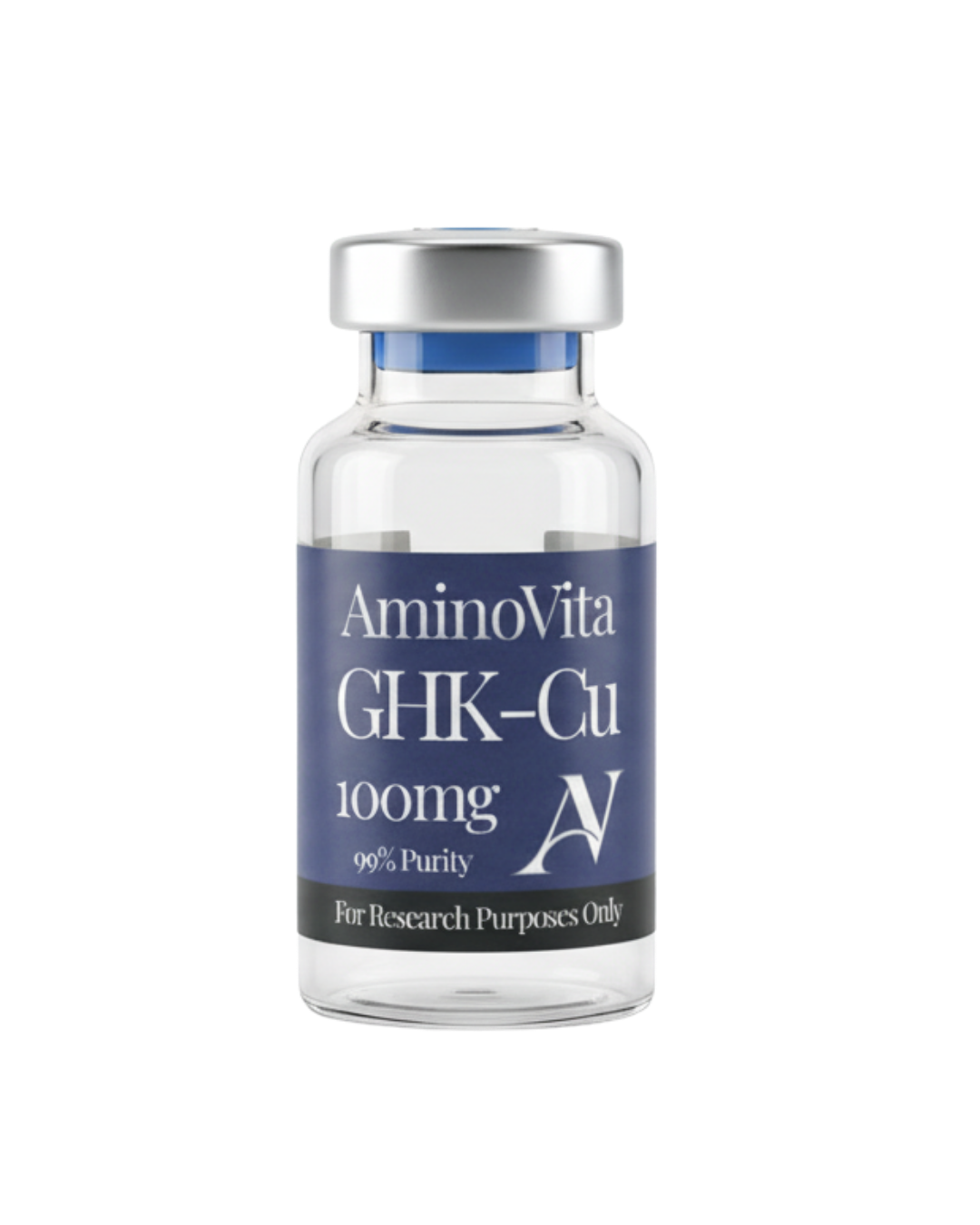
Gene modulation — GHK-Cu is studied for resetting gene expression patterns associated with aging, complementing Epithalon's telomere and chromatin effects.
Learn More →
Circadian synergy — supports the same melatonin and sleep-wake pathways that Epithalon interacts with through pineal gland modulation.
Learn More →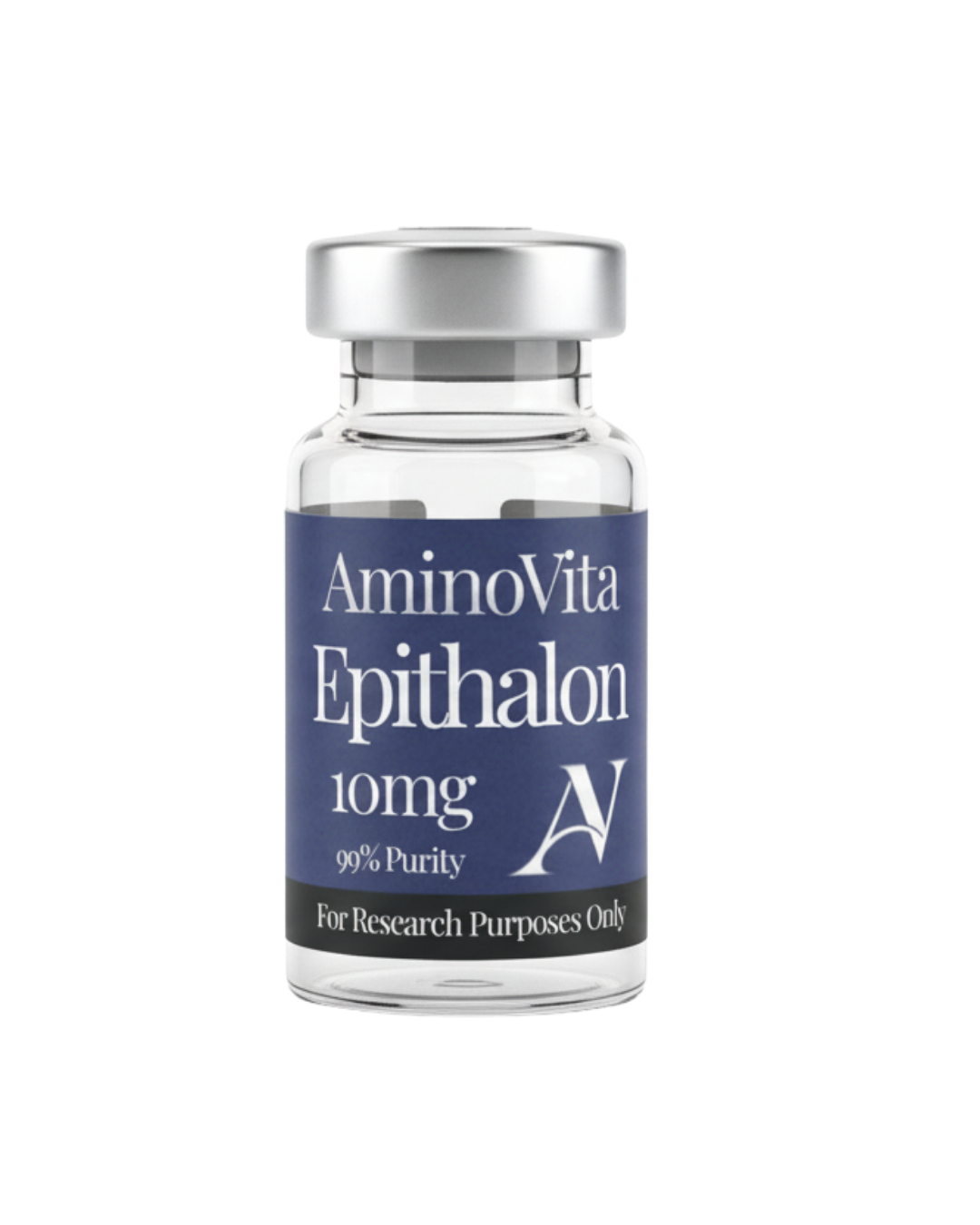
How this tetrapeptide interacts with hTERT and what the research landscape looks like for telomere-targeted longevity compounds.
The biological clocks ticking inside your cells and how researchers are studying ways to slow them down.
Not sure where to start? Explore our compound library or take the quiz to discover which research compounds align with your goals.