
For in-vitro research use only · Not for human consumption · Not medical advice
A mitochondrial-derived peptide studied for its ability to activate AMPK and mimic key metabolic benefits of exercise at the cellular level.
A peptide made by your own mitochondria that activates the same energy-sensing pathway as exercise — AMPK. Researchers call it an "exercise mimetic" because it triggers many of the same metabolic benefits as physical training.
Your mitochondria are often called the "powerhouses" of your cells, but they do far more than generate energy. They also send signals — and MOTS-C is one of those signals. Discovered in 2015 by researchers at the University of Southern California, MOTS-C is a small peptide encoded within the mitochondrial genome (not your nuclear DNA), making it part of a rare class of molecules called mitochondrial-derived peptides, or MDPs.
What makes MOTS-C remarkable is its ability to activate AMPK — the same master energy switch that flips on when you exercise, restrict calories, or deplete cellular energy. AMPK orchestrates a cascade of metabolic adjustments: burning fat for fuel, improving glucose uptake, and ramping up mitochondrial function. In essence, MOTS-C tells your cells to behave as if they just finished a workout.
Levels of MOTS-C naturally decline with age, which has led researchers to investigate whether restoring those levels could recapture some of the metabolic resilience seen in younger organisms. The research is still early, but the mechanistic rationale is compelling.
The short version: MOTS-C is a naturally occurring peptide from your mitochondria that tells your cells to behave as though you just exercised. It activates the same AMPK pathway triggered by physical training, and its levels decline as you age.
Flips the master energy switch in your cells — the same pathway activated by exercise — triggering downstream metabolic benefits including enhanced glucose uptake and fatty acid oxidation.
Disrupts the folate-methionine cycle, causing AICAR to accumulate — a natural byproduct that independently activates AMPK. This creates a reinforcing loop of metabolic activation.
Studied for its effects on glucose homeostasis and fatty acid metabolism — the two pillars of cellular energy balance. Research models suggest broad metabolic reprogramming activity.
In aged mouse models, MOTS-C administration has been studied for its ability to improve physical performance and metabolic markers, leading researchers to describe it as an "exercise mimetic" peptide.
Circulating MOTS-C levels have been observed to decline significantly with age in both plasma and skeletal muscle tissue, correlating with diminished metabolic flexibility.
Preclinical studies have examined MOTS-C for its role in glucose regulation, finding that it activates AMPK-dependent glucose uptake pathways in skeletal muscle cells.
Under metabolic stress, MOTS-C has been studied for its translocation to the nucleus where it interacts with stress-responsive transcription factors, suggesting a direct role in adaptive gene regulation.
Researchers frequently study MOTS-C alongside these compounds due to overlapping or complementary mechanisms.
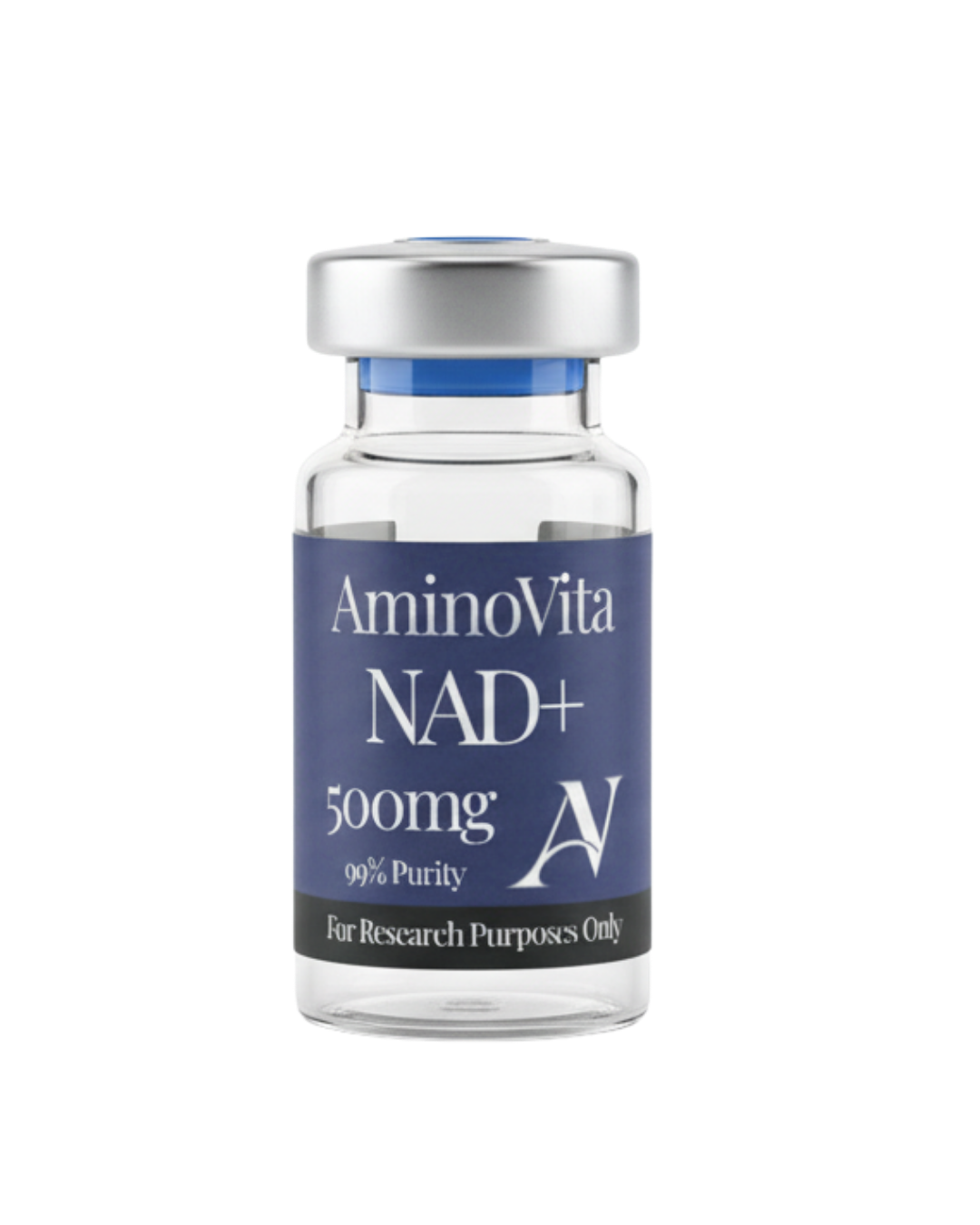
Mitochondrial axis — both compounds converge on cellular energy metabolism and mitochondrial function.
Learn More →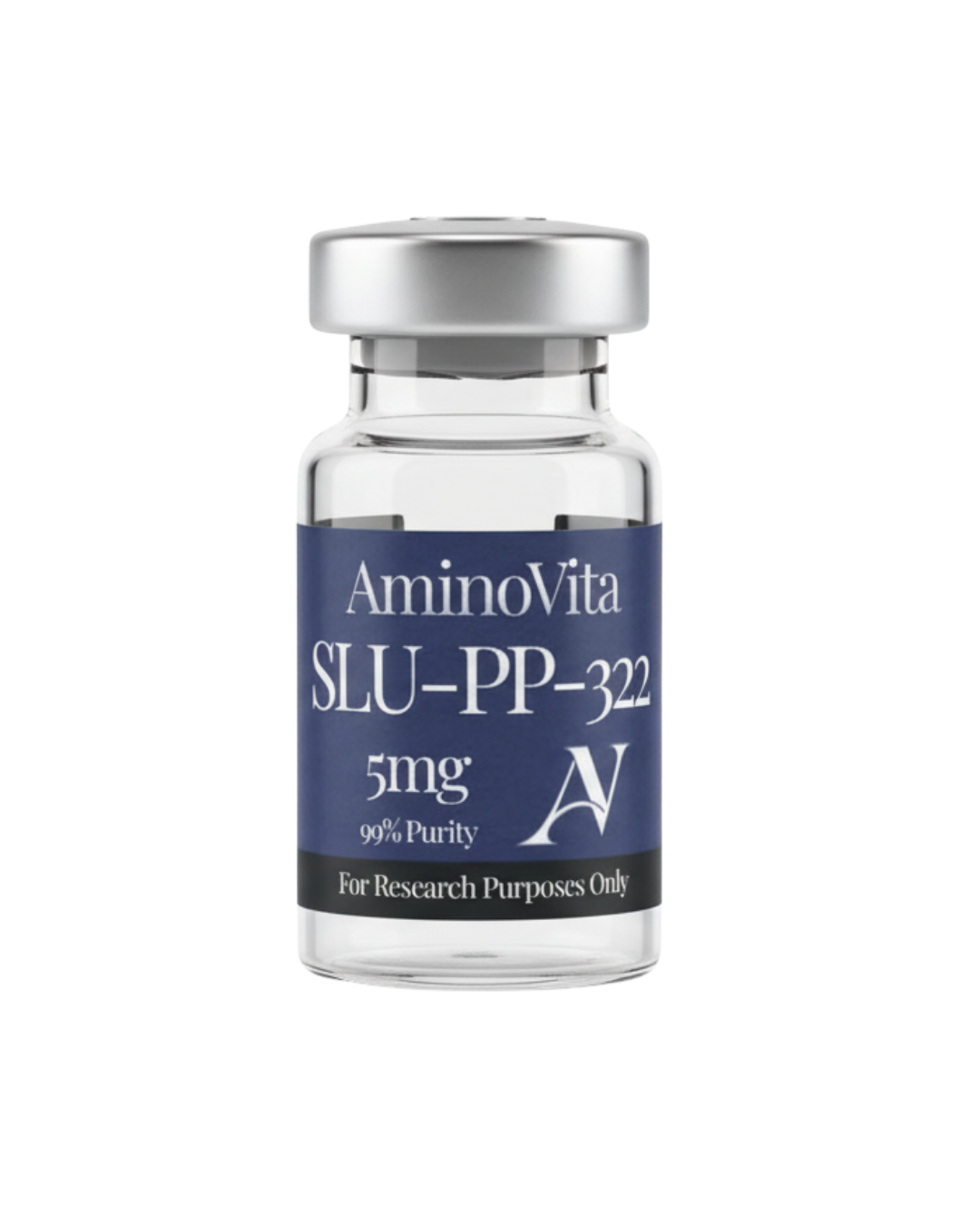
Exercise mimetic synergy — SLU-PP-322 activates ERRα while MOTS-C activates AMPK, two parallel exercise pathways.
Learn More →
NAD+ precursor — supports the same mitochondrial health and energy metabolism pathways activated by MOTS-C.
Learn More →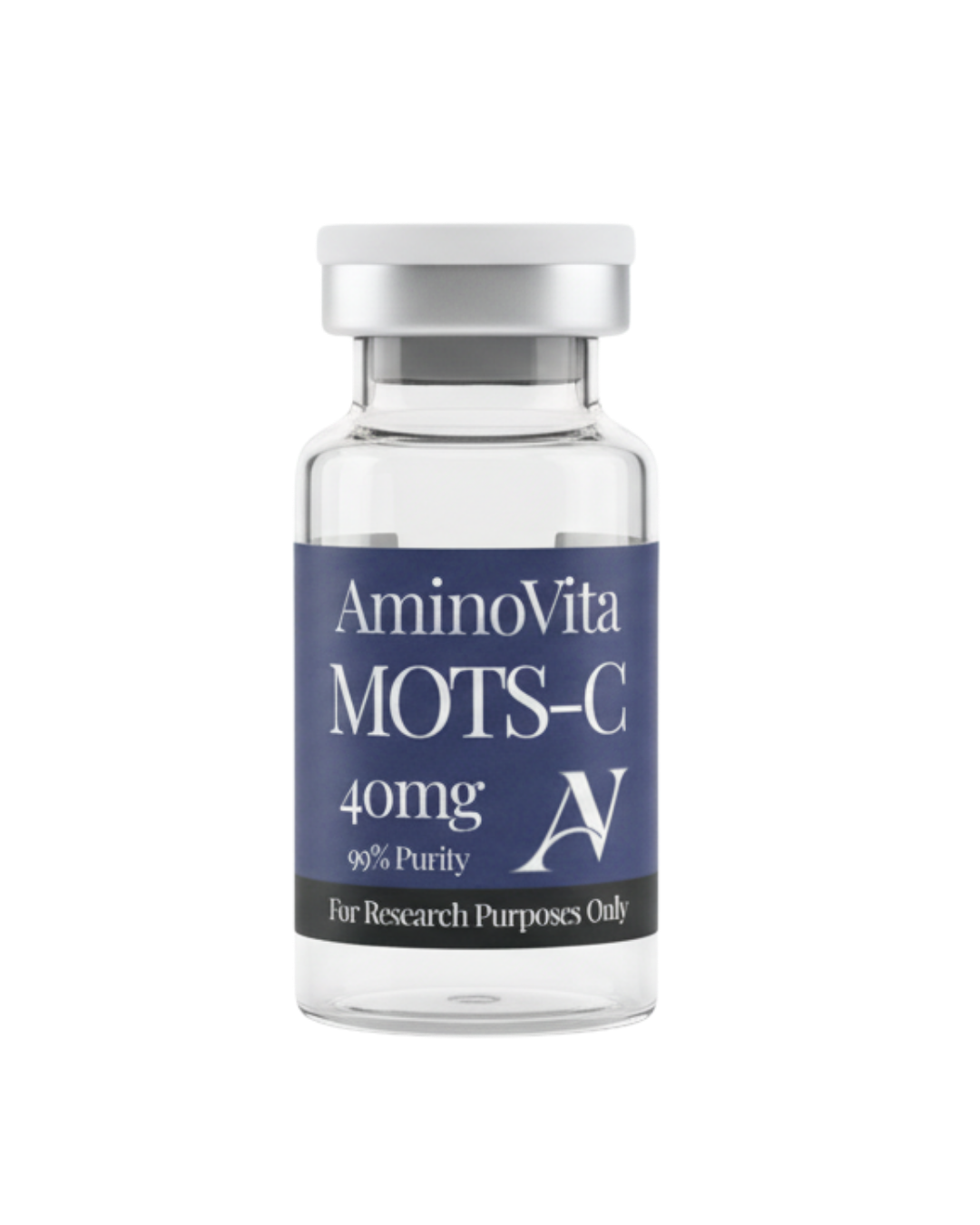
A comprehensive look at how this mitochondrial-derived peptide activates AMPK and what the research landscape looks like.
Why your energy systems stall with age and how mitochondrial signaling peptides are being studied as a potential solution.
Not sure where to start? Explore our compound library or take the quiz to discover which research compounds align with your goals.