
For in-vitro research use only · Not for human consumption · Not medical advice
An ERRα nuclear receptor agonist studied for activating the same gene pathways that exercise triggers — including mitochondrial biogenesis and muscle fiber type adaptation.
What if you could activate the same gene pathways that exercise triggers — without the exercise? SLU-PP-322 activates ERRα, a nuclear receptor that controls mitochondrial biogenesis. In mouse studies, it improved running endurance without any training.
When you exercise, your muscles don't just burn calories — they remodel themselves at the genetic level. One of the key orchestrators of this remodeling is a nuclear receptor called ERRα (estrogen-related receptor alpha). Despite the name, ERRα has nothing to do with estrogen. It's an "orphan" nuclear receptor — meaning it was identified before its activating signal was known — and it controls the genes responsible for building new mitochondria, switching muscle fiber types, and optimizing fatty acid oxidation.
SLU-PP-322, developed at Saint Louis University (hence "SLU"), is a synthetic small molecule that directly activates ERRα. Unlike peptides, it's a non-peptide compound — a traditional small molecule drug candidate. In published mouse studies, animals given SLU-PP-322 ran significantly farther on treadmill tests than controls, without any exercise training whatsoever.
The mechanism goes deeper than just endurance. ERRα activation recruits a coactivator called PGC-1α, often called the "master switch" of mitochondrial biogenesis. Together, they drive the expression of genes that build new mitochondria, shift muscle fibers toward slow-twitch (fatigue-resistant) Type I and Type IIa profiles, and upregulate oxidative metabolism.
The short version: SLU-PP-322 activates ERRα, the nuclear receptor that controls mitochondrial biogenesis. In mouse studies, it improved running endurance without any training. Think of it as flipping the same genetic switches that exercise turns on.
Directly activates the estrogen-related receptor alpha — a nuclear transcription factor that controls mitochondrial biogenesis, fatty acid oxidation, and oxidative phosphorylation gene programs.
ERRα activation recruits PGC-1α, the "master switch" of mitochondrial biogenesis — driving the coordinated expression of hundreds of genes that build new mitochondria and optimize energy metabolism.
Studied for enriching slow-twitch (Type I) and oxidative fast-twitch (Type IIa) muscle fibers — the fatigue-resistant fiber types that endurance training develops over months, but through a pharmacological rather than mechanical stimulus.
In published mouse studies, SLU-PP-322-treated animals showed significantly improved treadmill running endurance compared to untrained controls, without any exercise protocol.
Researchers observed increased mitochondrial density and oxidative capacity in skeletal muscle tissue of treated animals, consistent with ERRα/PGC-1α pathway activation.
Muscle biopsy analysis showed a shift toward slow-twitch and oxidative fast-twitch fiber types — the same adaptation seen after months of endurance training, achieved through pharmacological ERRα activation.
SLU-PP-322 has been studied for upregulating genes involved in fatty acid beta-oxidation, shifting cellular metabolism toward lipid utilization — a hallmark of endurance-adapted tissue.
Compounds frequently studied alongside SLU-PP-322 for complementary exercise and energy pathways.
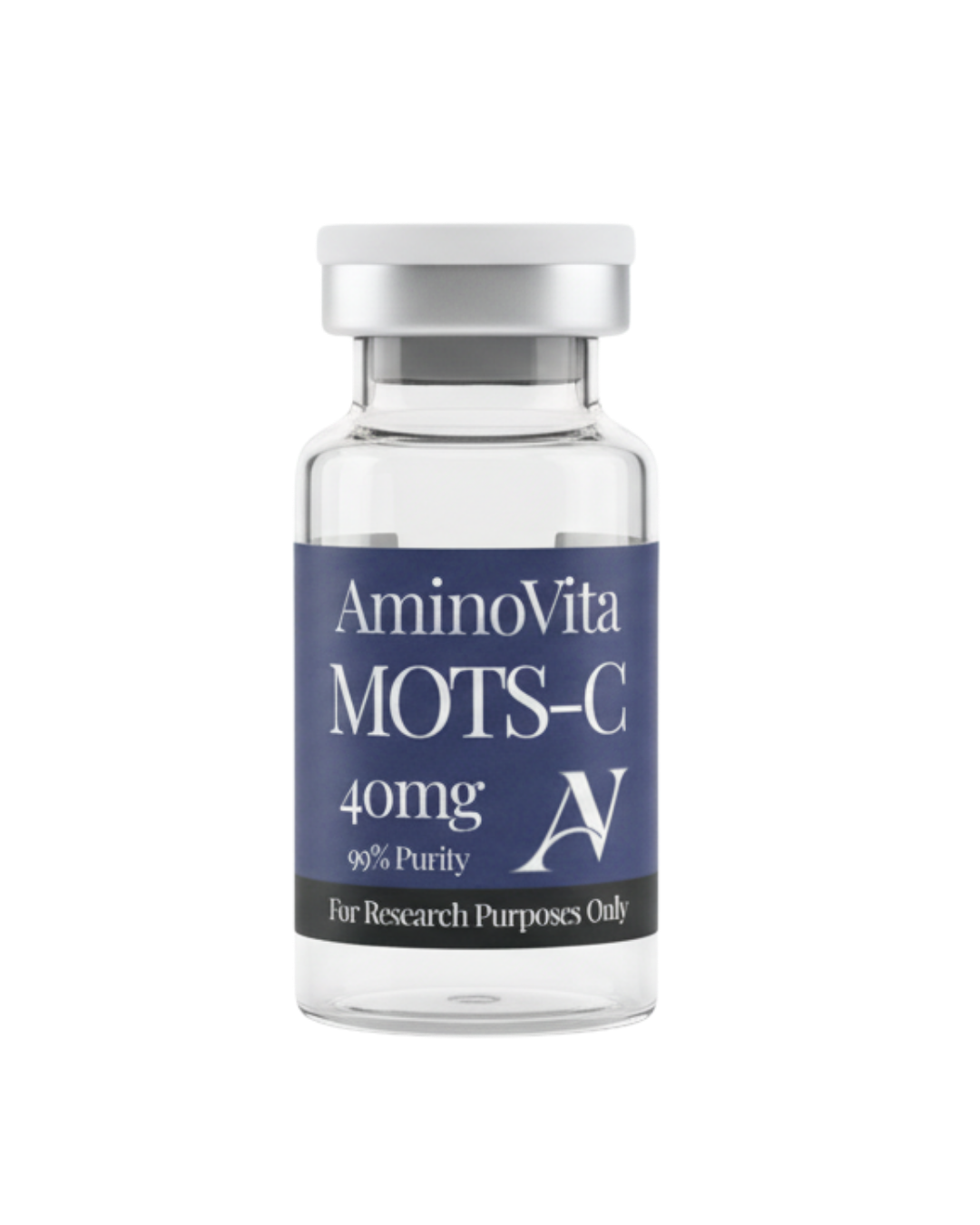
AMPK synergy — MOTS-C activates AMPK while SLU-PP-322 activates ERRα, two parallel exercise-response pathways that converge on mitochondrial function.
Learn More →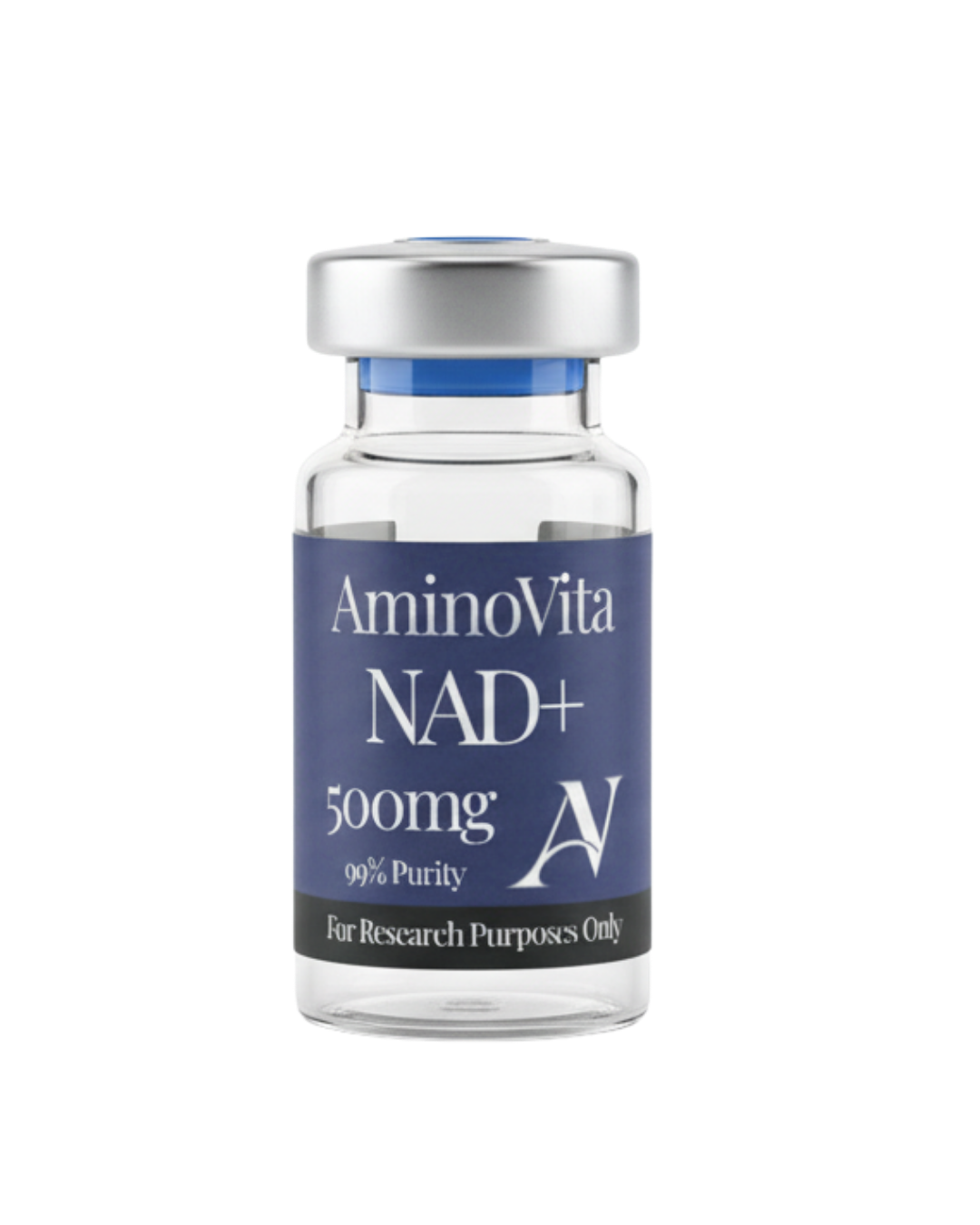
Sirtuin axis — NAD+ fuels SIRT1, which deacetylates and activates PGC-1α — the same coactivator recruited by ERRα.
Learn More →
Energy substrate — creatine supports the phosphocreatine system for rapid ATP regeneration, complementing mitochondrial biogenesis from a different energy pathway.
Learn More →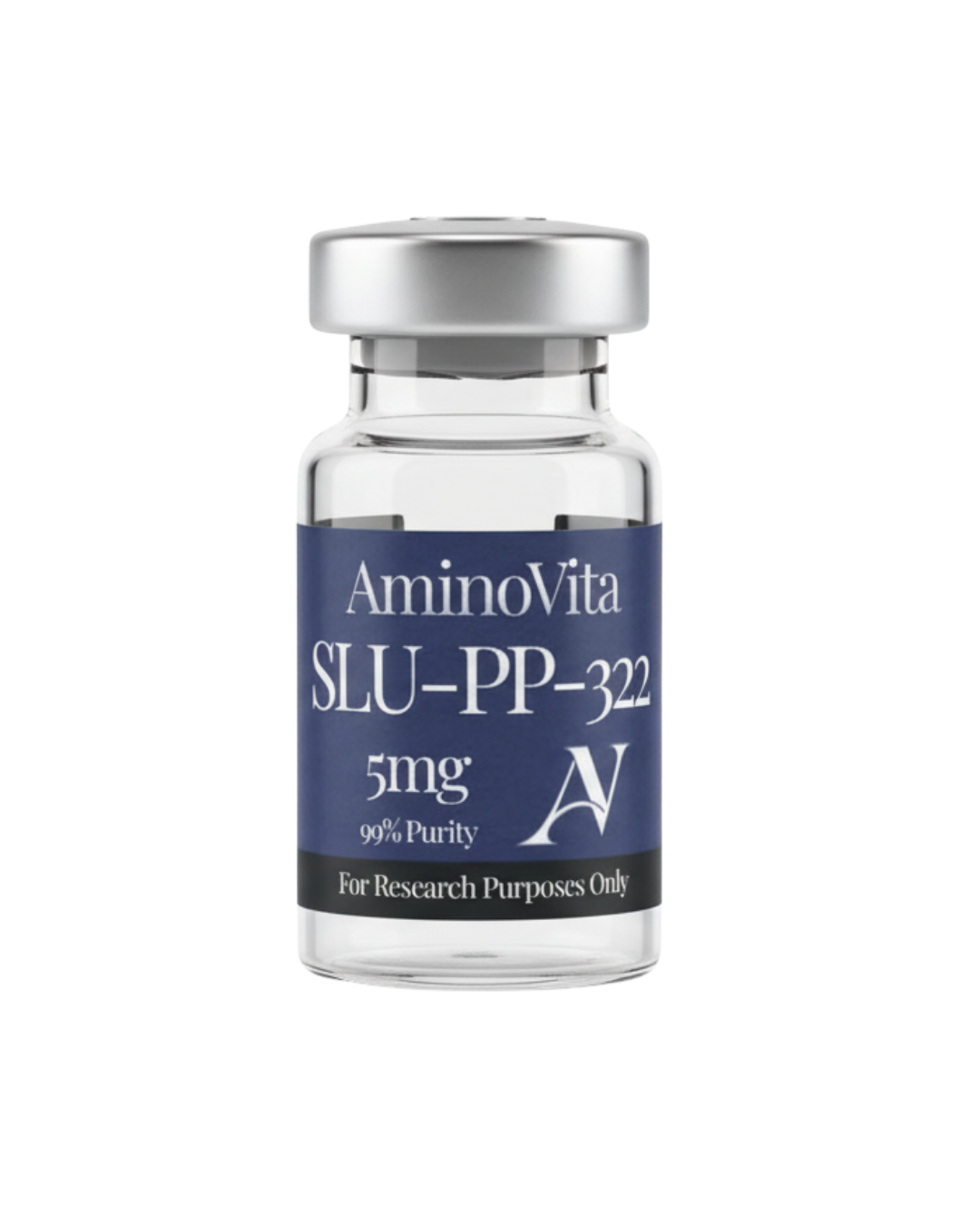
How this ERRα agonist mimics the gene expression changes of exercise and what the mouse endurance data shows.
Why mitochondrial capacity limits performance and how exercise mimetics are being studied as a potential solution.
Not sure where to start? Explore our compound library or take the quiz to discover which research compounds align with your goals.
For in-vitro research use only. Not for human consumption. The information on this page is for educational purposes only and does not constitute medical advice or a recommendation for human use. No claims are made regarding the diagnosis, studyment, is studied in, or prevention of any condition.