
For in-vitro research use only · Not for human consumption · Not medical advice
The first investigational molecule studied for simultaneously activating GIP, GLP-1, and glucagon receptors — the most comprehensive metabolic agonist profile in current research.
While most metabolic compounds target one receptor, Retatrutide hits three simultaneously — GIP, GLP-1, and glucagon. It's the first investigational molecule to activate all three pathways at once, making it the most comprehensive metabolic compound in research.
Think of your metabolic system as a three-lane highway. Most research compounds only open one lane — GLP-1 agonists, for example, primarily influence insulin secretion and appetite signaling. Dual agonists opened two lanes. Retatrutide opens all three: it activates GLP-1 receptors (insulin and appetite), GIP receptors (beta cell function and nutrient partitioning), and glucagon receptors (energy expenditure and fat oxidation).
The glucagon component is what makes Retatrutide genuinely novel. While it might seem counterintuitive — glucagon raises blood sugar in acute settings — chronic, low-level glucagon receptor activation has been studied for increasing resting energy expenditure and promoting fat oxidation. It's the metabolic equivalent of turning up your thermostat.
Early-phase clinical research has generated significant interest in the scientific community, with researchers noting that the triple-agonist profile produces a more comprehensive metabolic response than single or dual-agonist approaches.
The short version: Retatrutide activates three metabolic receptors simultaneously — GLP-1, GIP, and glucagon. The glucagon component is the novel addition, studied for its ability to increase energy expenditure and fat oxidation on top of the insulin and appetite effects.
Activates GLP-1 receptors studied for their role in insulin secretion, appetite regulation, and gastric emptying — the most well-characterized incretin pathway in metabolic research.
Activates glucose-dependent insulinotropic polypeptide receptors, studied for enhancing beta cell function, improving nutrient partitioning, and potentiating GLP-1 signaling.
The novel addition — activates glucagon receptors studied for increasing resting energy expenditure and promoting hepatic fat oxidation. This is what differentiates Retatrutide from dual agonists.
Retatrutide is the first compound studied for simultaneous activation of all three metabolic receptors (GIP, GLP-1, glucagon), representing a novel pharmacological approach in incretin biology.
The glucagon receptor component has been studied for its contribution to increased resting energy expenditure — a mechanism not present in single or dual agonist compounds.
Early-phase clinical studies have generated considerable research interest, with published data demonstrating a dose-dependent metabolic response across multiple biomarkers.
The glucagon receptor activation component has been specifically studied for its effects on hepatic fat oxidation, a pathway of significant interest in metabolic research.
Compounds frequently studied alongside Retatrutide for complementary metabolic support.
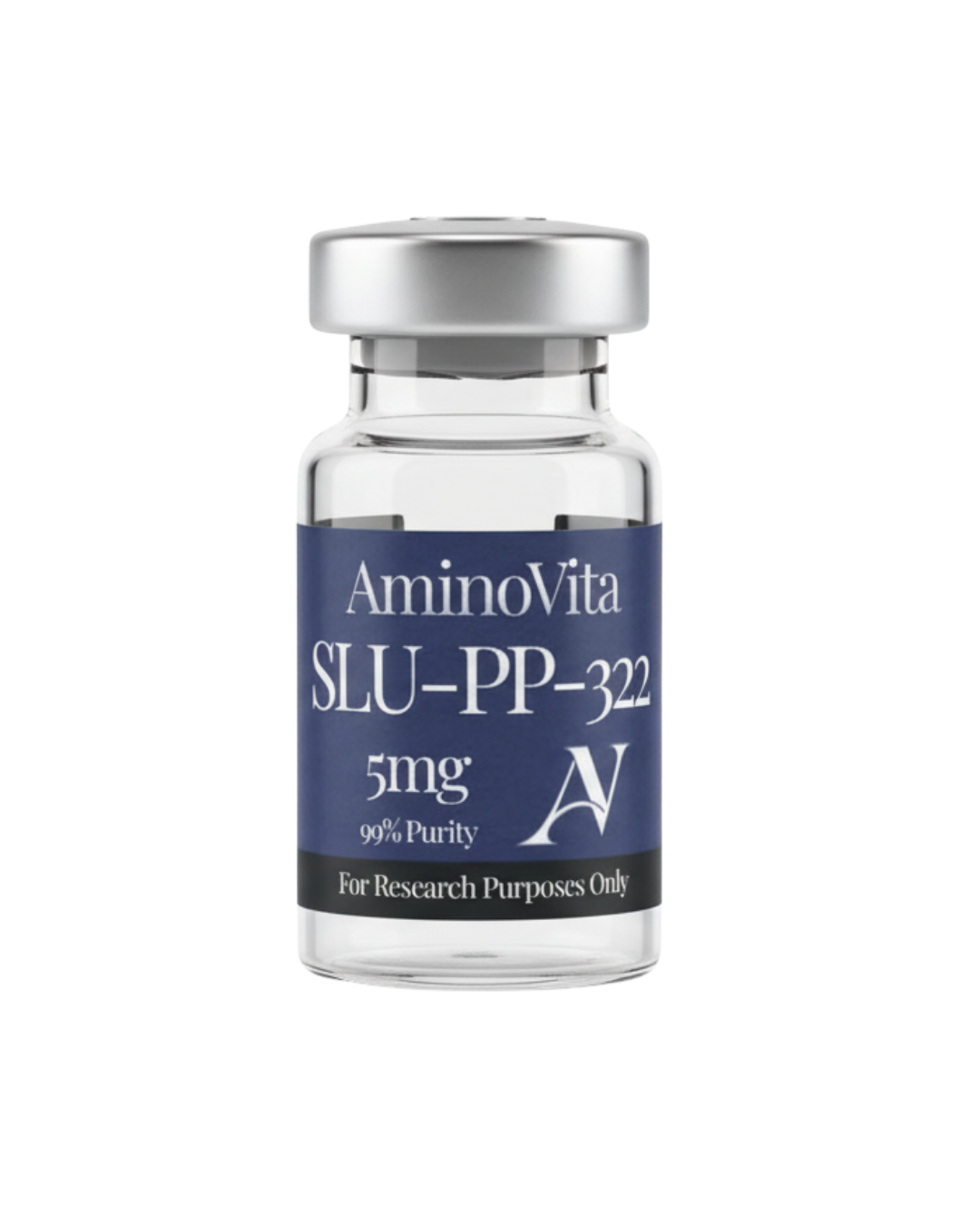
Exercise mimetic — activates mitochondrial biogenesis pathways that complement metabolic receptor signaling.
Learn More →
Electrolyte balance — supports hydration and mineral homeostasis during metabolic compound research protocols.
Learn More →
Essential amino acids — studied for maintaining lean tissue substrate availability during metabolic interventions.
Learn More →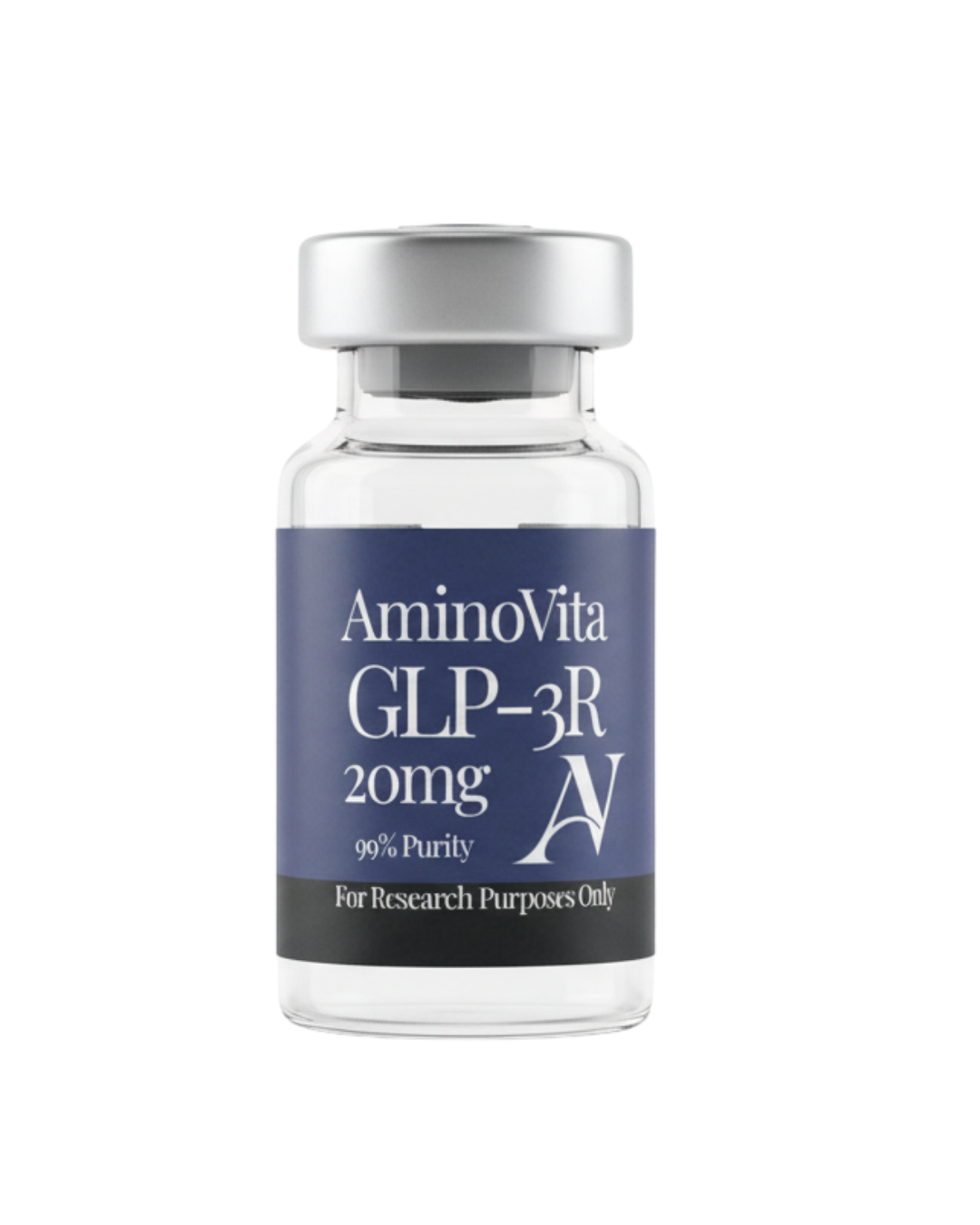
How simultaneous GIP, GLP-1, and glucagon receptor activation creates a novel metabolic research profile.
Why metabolic flexibility declines with age and how researchers are approaching the problem from multiple angles.
Not sure where to start? Explore our compound library or take the quiz to discover which research compounds align with your goals.