
For in-vitro research use only · Not for human consumption · Not medical advice
The Cell Migration Peptide
A synthetic version of a protein your body already makes. It helps cells move faster to injury sites — like sending more ambulances to a crash.
Molecular Weight
4,963.44 Da
CAS Number
77591-33-4
Amino Acids
43 residues
In Plain English
Imagine a construction site where workers need to reach the damaged area, but the roads are jammed. TB-500 essentially clears the roads. It's a synthetic version of Thymosin Beta-4, a naturally occurring protein found in virtually every cell of your body, with particularly high concentrations in blood platelets and wound fluid.
The key to TB-500's research interest lies in its relationship with actin — a protein that forms the internal "scaffolding" of cells. By regulating actin, TB-500 helps cells change shape, move through tissue, and reach areas that need repair. Without proper cell migration, even a body full of growth factors can't heal efficiently.
Researchers also study TB-500 for its anti-inflammatory properties. Inflammation is necessary early in healing, but when it persists, it blocks recovery. TB-500 appears to help quiet the inflammatory response at the right time, transitioning tissue from "damage mode" to "repair mode."
What makes this peptide particularly compelling is its systemic reach. Unlike compounds that work locally, TB-500 is studied for its ability to travel through the body and affect distant injury sites — a property that sets it apart from most repair-focused peptides.
Plain English: TB-500 helps your repair cells physically get to where they're needed by regulating the internal scaffolding that lets cells move, while also calming excess inflammation that slows healing.
How It Works
TB-500 sequesters G-actin monomers, preventing premature polymerization and allowing cells to rebuild their internal framework on demand. Think of it as keeping building materials ready until the construction crew arrives.
By reorganizing the cytoskeleton, TB-500 is studied for enabling cells like keratinocytes, endothelial cells, and myoblasts to migrate more efficiently to wound sites — dramatically accelerating the physical healing process.
TB-500 is studied for downregulating pro-inflammatory cytokines at the right stage of healing, helping to shift the tissue microenvironment from acute inflammation to productive repair — quieting the alarm when the fire is out.
Evidence
Wound Healing
Animal studies have demonstrated that TB-500 significantly accelerates dermal wound closure. Researchers observed increased keratinocyte migration, collagen deposition, and angiogenesis in treated models.
Takeaway: TB-500's cell migration effects appear to translate directly into faster wound closure in experimental models.
Cardiac Repair
In cardiac injury models, Thymosin Beta-4 has been studied for its ability to activate epicardial progenitor cells and promote new blood vessel formation in damaged heart tissue, opening novel research avenues in cardiac repair.
Takeaway: The heart has limited natural repair capacity, and TB-500's ability to mobilize progenitor cells is a significant area of study.
Muscle Recovery
Research has explored TB-500's effects on skeletal muscle repair, with studies showing improved satellite cell activation and migration to damaged fibers, along with reduced fibrotic scarring in regenerating muscle tissue.
Takeaway: TB-500 may help muscle heal with more functional tissue and less scar formation — quality matters as much as speed.
Inflammation
Multiple studies have documented TB-500's effects on inflammatory pathways, including downregulation of NF-kB and reduction of IL-1, IL-6, and TNF-alpha levels in various experimental models of tissue injury.
Takeaway: By calming the inflammatory cascade, TB-500 may help the body transition from damage response to actual repair.
Synergies
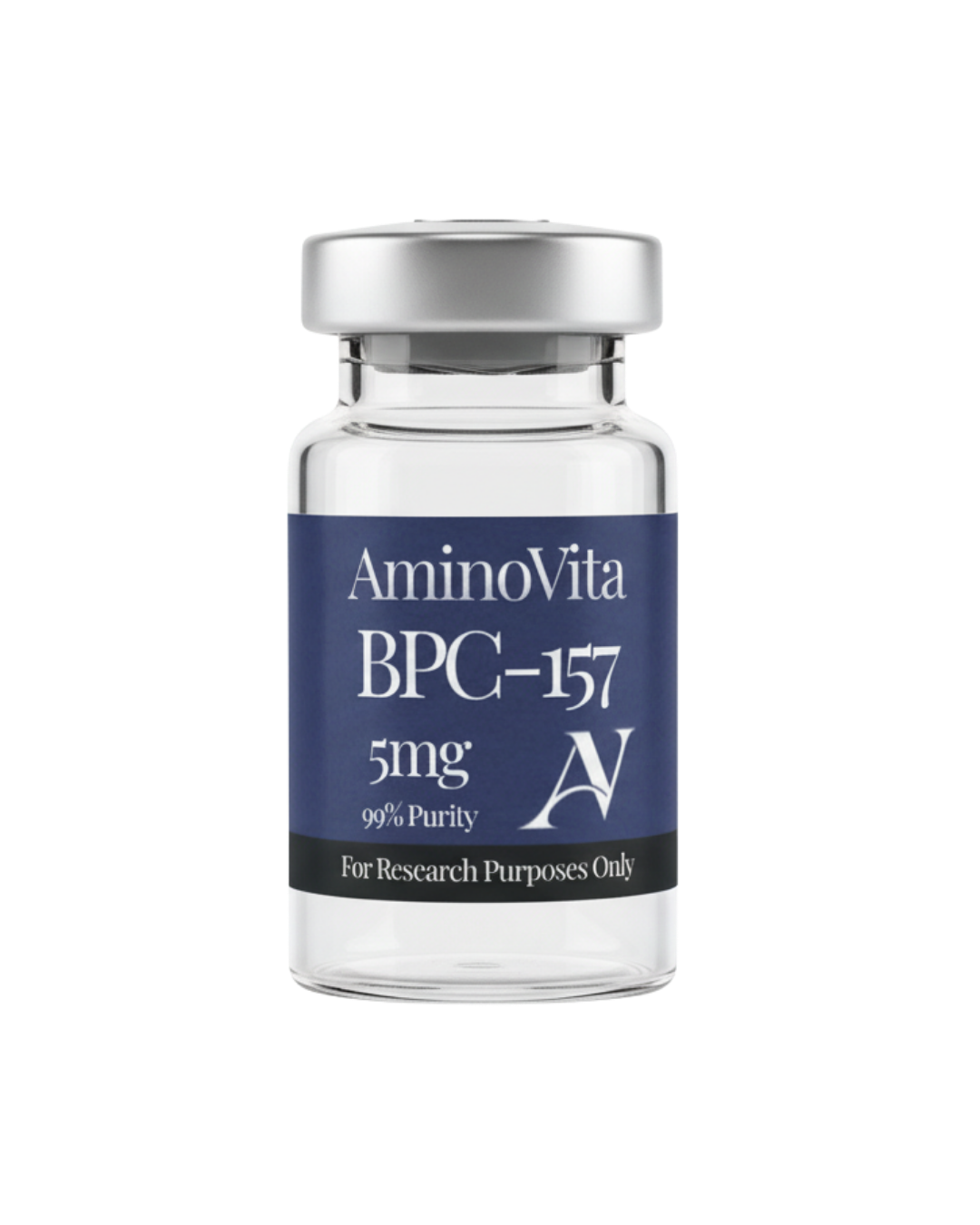
The classic pairing. BPC-157 builds new blood supply while TB-500 sends repair cells to the site. Together, they address healing infrastructure and healing workforce — the most-studied repair combination in peptide research.
View BPC-157 →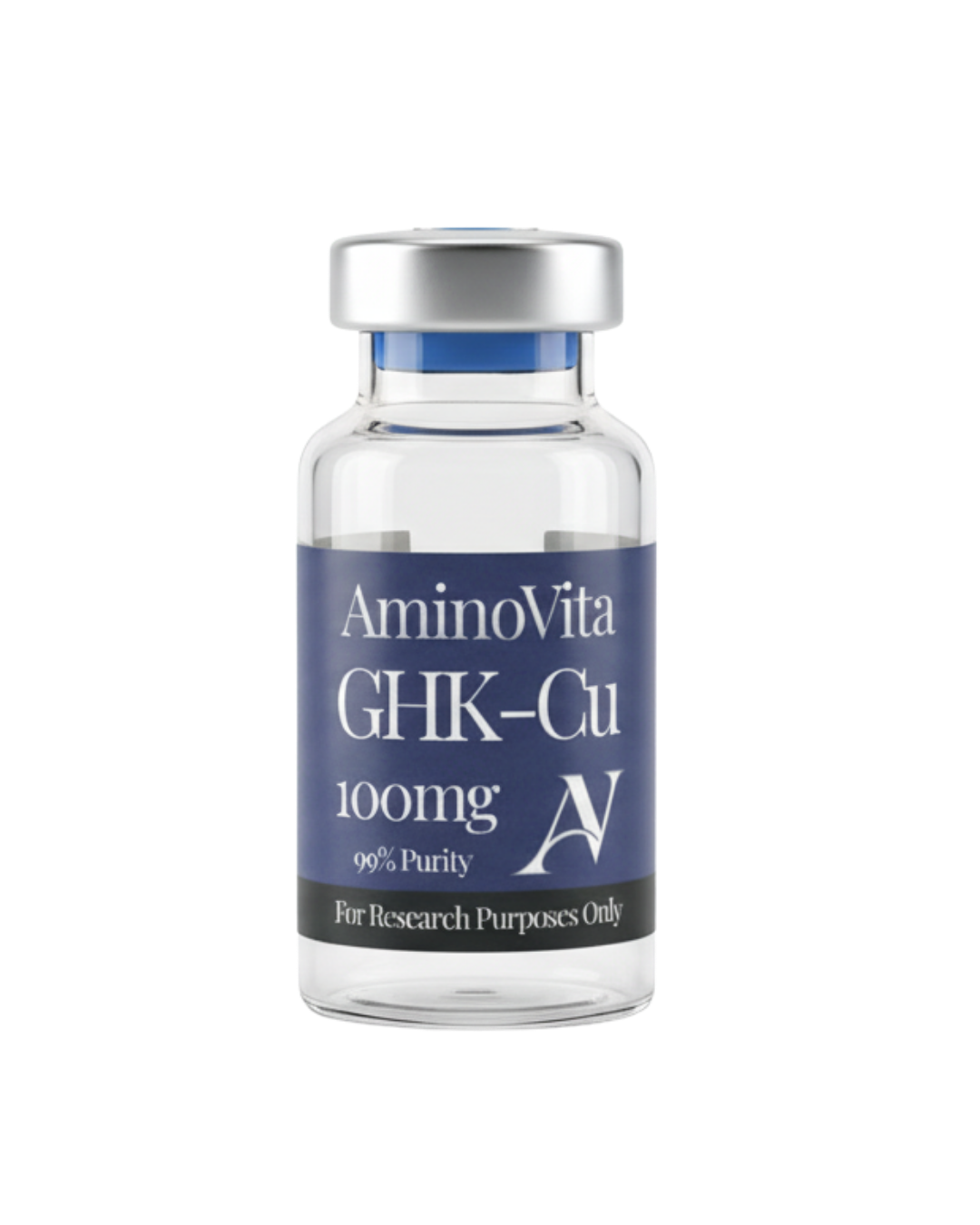
Once TB-500 gets repair cells to the injury, GHK-Cu helps them rebuild with quality materials — upregulating collagen synthesis and extracellular matrix remodeling for stronger tissue architecture.
View GHK-Cu →Essential amino acids provide the raw building blocks that TB-500's mobilized repair cells need to construct new tissue. Signaling without substrate is like sending builders without materials.
Browse Compounds →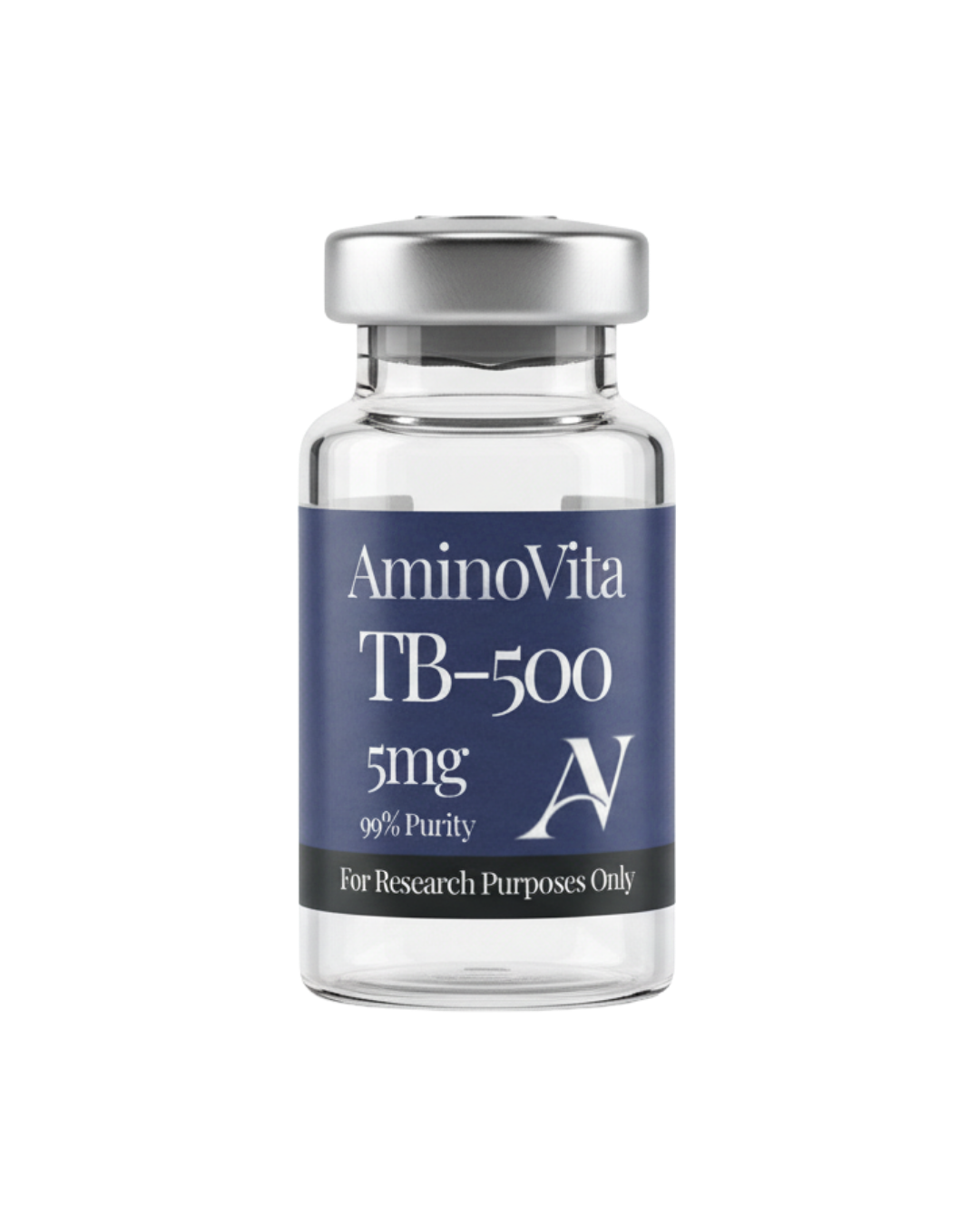
AminoVita Research Compound
$42.99
99%+ purity · Third-party tested · 5 mg
View ProductSubscribe & Save 10% — Free shipping on every order
Further Reading
Mechanism Deep Dive
An in-depth look at how TB-500 regulates actin polymerization, promotes cell migration, and coordinates the multi-stage tissue repair process.
Wellness Science
Why chronic stress impairs your body's natural repair mechanisms and what the research says about restoring recovery capacity.
FAQ
TB-500 is a synthetic peptide that corresponds to the active region (amino acids 17-23) of Thymosin Beta-4, a 43-amino-acid protein naturally found in nearly all human cells. While Thymosin Beta-4 is the full natural protein, TB-500 is the lab-synthesized fragment used in research.
Actin is the protein that forms the internal skeleton of cells. For a cell to move — which is essential for wound healing — it needs to rapidly assemble and disassemble actin filaments. TB-500's ability to regulate this process means repair cells can reach injury sites more efficiently.
They work through different mechanisms. BPC-157 primarily promotes angiogenesis (new blood vessel formation) and growth factor signaling. TB-500 primarily promotes cell migration through actin regulation. Together they're complementary — BPC-157 builds the supply route, TB-500 sends the repair crew.
Research on TB-500 spans skin wounds, cardiac tissue, skeletal muscle, corneal tissue, and hair follicles. The broad range of studied tissues reflects the universal nature of actin-mediated cell migration in repair processes across the body.
Not sure where to start? Browse compounds by research goal and find the right combination for your objectives.
Browse Catalog